Is High Density Polyethylene Piping ( HDPE ) Suitable For Irrigation System?
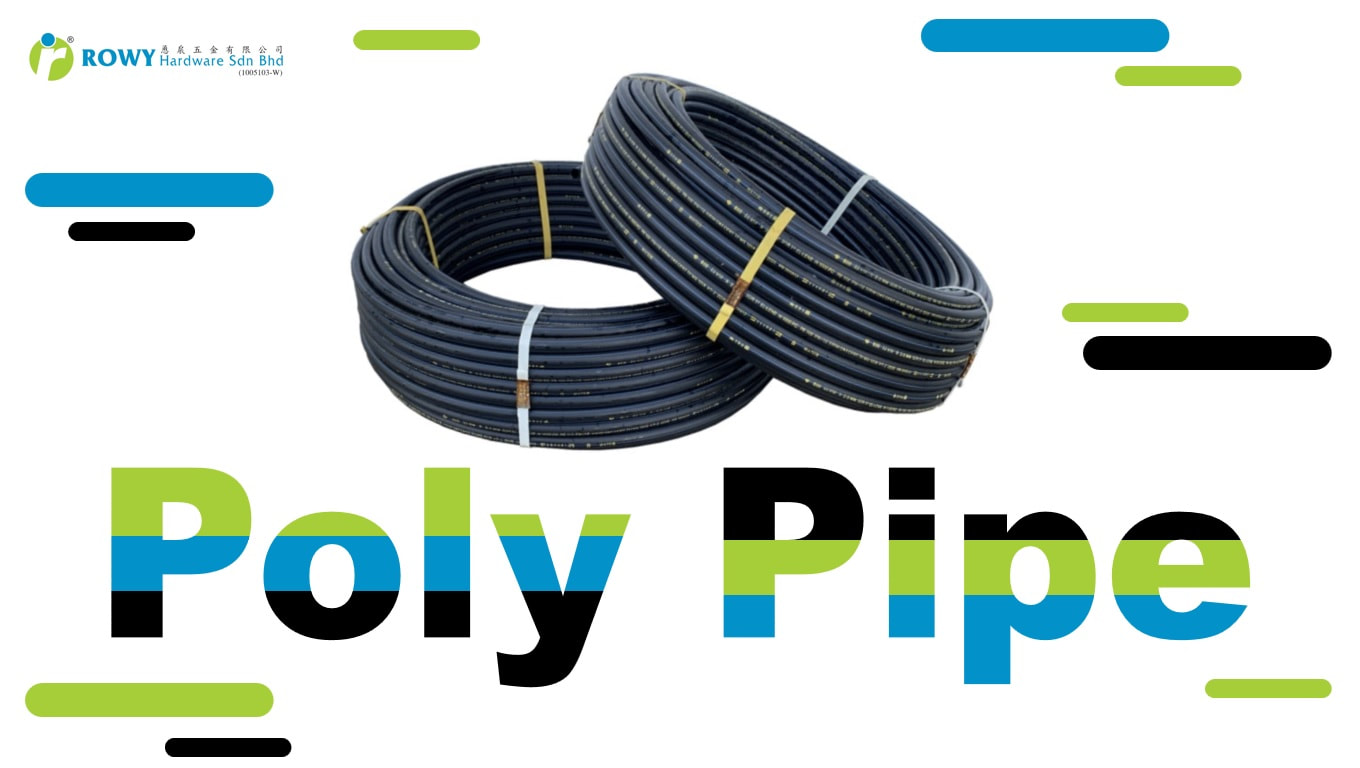
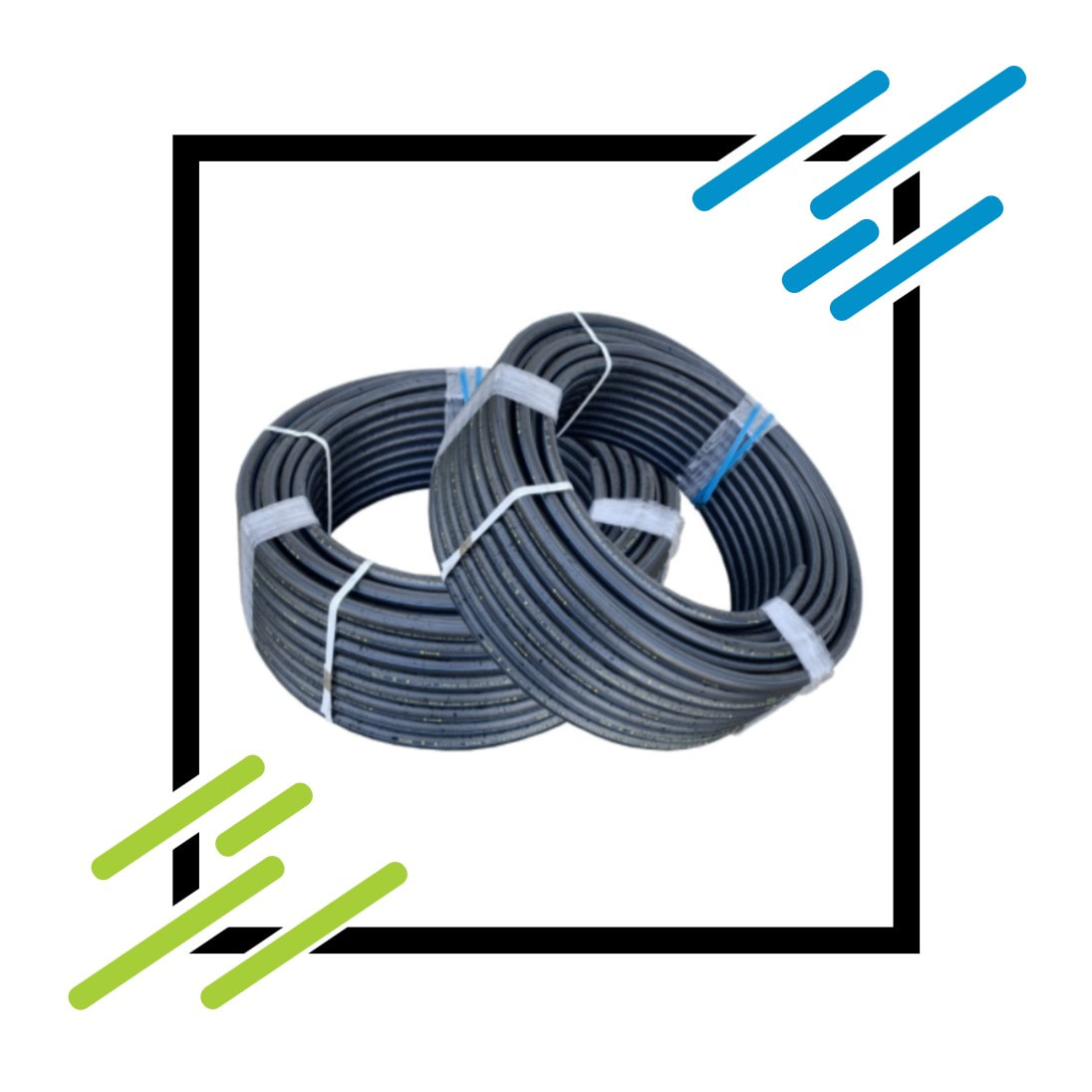
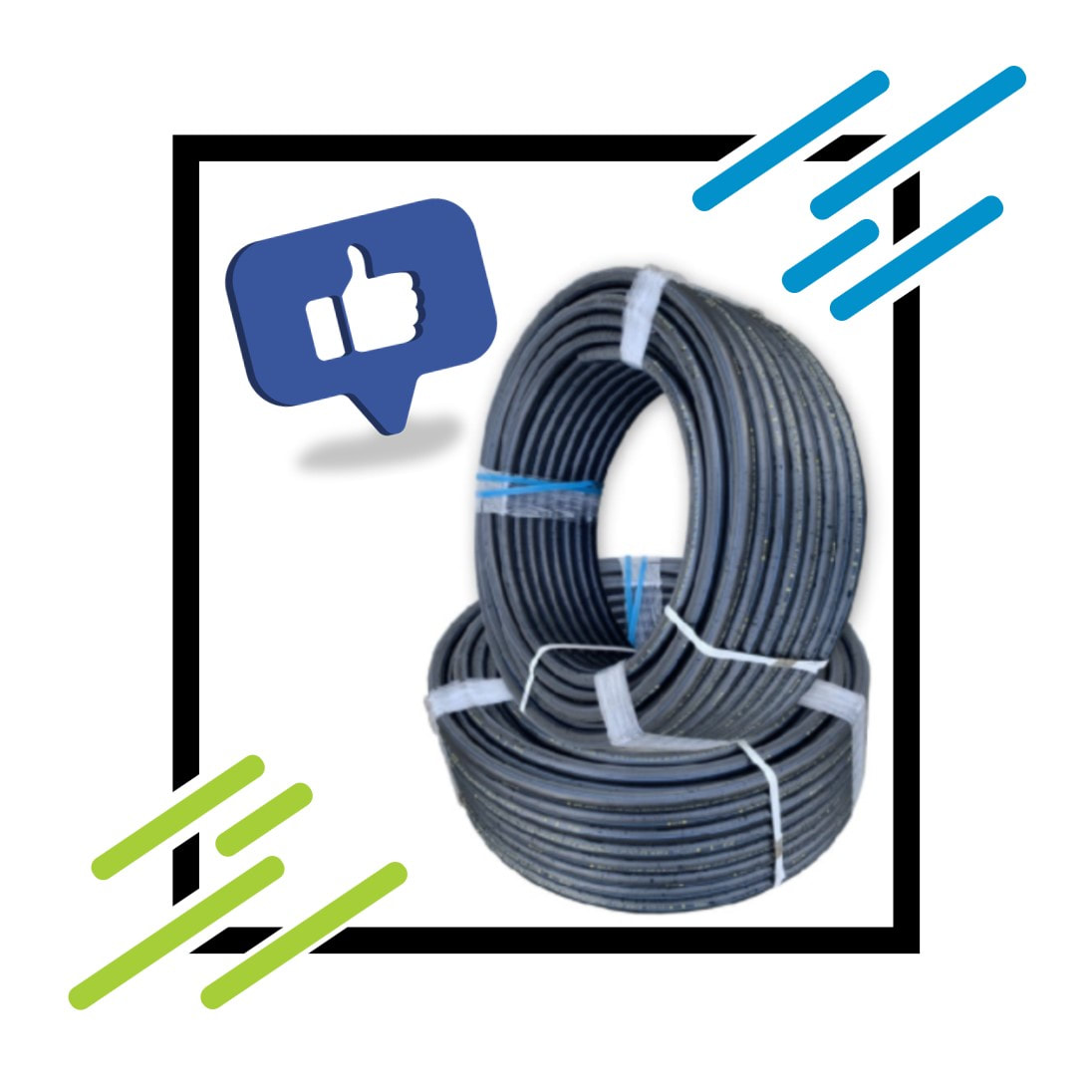
HDPE pipe is also known as high density polyethylene pipe, polyethylene pipe or simply called PE piping.
In horticulture and agriculture watering system, HDPE piping is the most widely used water piping system.
HDPE pipe has been tested and certifies to be safe for horticultural and agricultural plastics usage.
HDPE Pipe For Agricultural and Horticultural Consumption
HDPE pipe for agriculture has an internal smooth surface which reduces frictional damage.
HDPE piping is tough, hard, abrasion resistant, and does not get brittle easily under agricultural and horticultural usage.
HDPE piping is able to sustain high temperatures in an agricultural and horticultural landscape working environment.
Common HDPE Pipe Size For Irrigation System
20mm ( 3/4 inch ) and 32mm ( 1 inch ) HDPE pipings are mainly used as a sub piping line fluid supply.
20mm HDPE pipe ( 3/4 inch ) and 32mm poly pipe ( 1 Inch ) HDPE piping size can distribute the chemicals and fertilizers evenly used in the agricultural and horticultural irrigation systems.
These sizes are commonly used in various micro irrigation systems such as micro-sprinkler or micro dripping.
These piping sizes are also suitably used for mini sprinklers and micro dripping connectors.
Advantages Of Using HDPE Piping For Irrigation System
Uniform distribution of fluid
No soil erosion during installation
Able to sustain under sunlight temperature
HDPE pipe for farming irrigation require less maintenance
HDPE Pipeline Installation
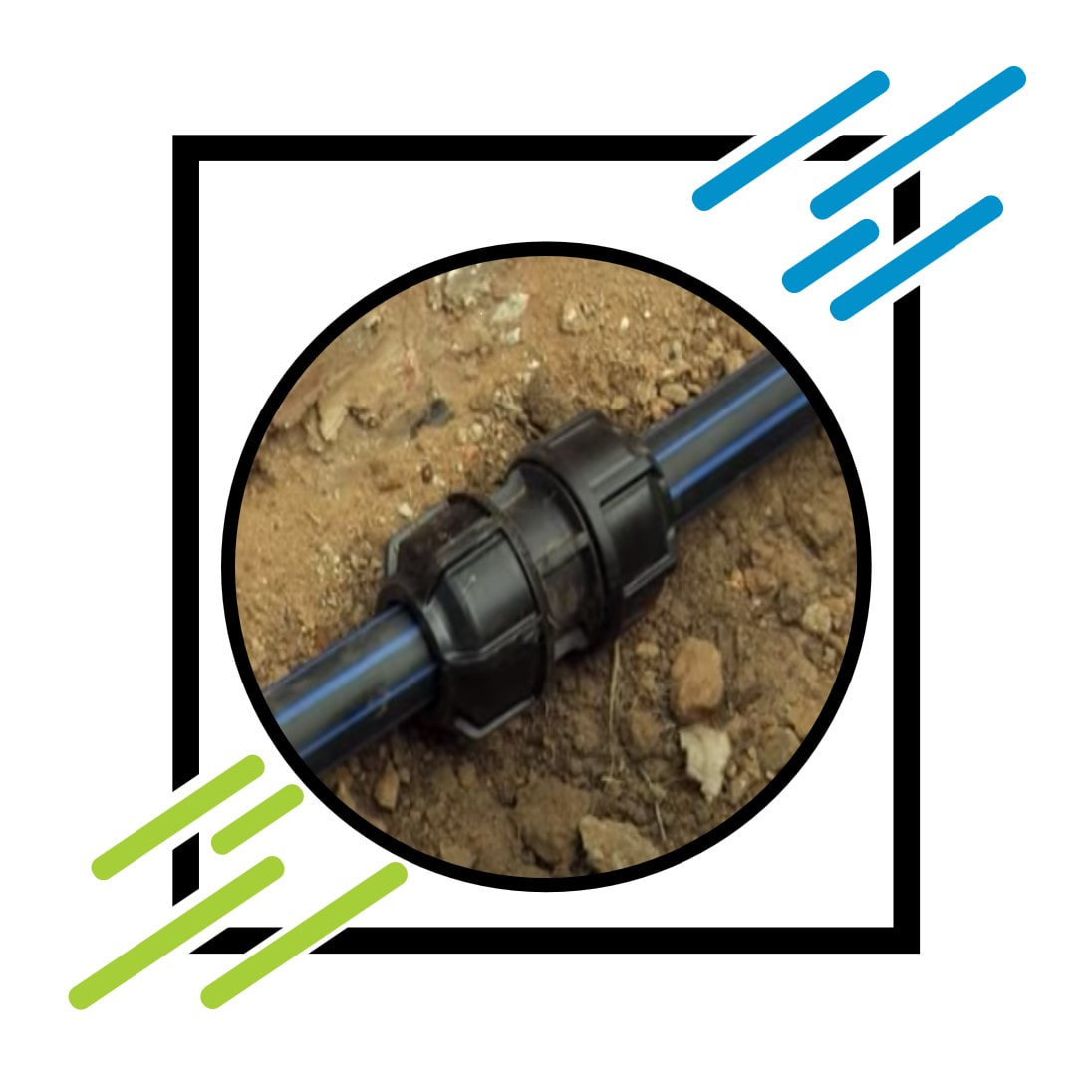
HDPE pipe can be easily installed in a variety of ways such as the welding method or connector method.
The connector method is the most cost-effective for assembling an irrigation system due to its easy installation procedure.
The connector method does not require any machinery or adhesive for joining the HDPE pipe.
Before installing the HDPE pipe the fields should be leveled.
The HDPE pipe should be installed only on flat surfaces or downhill, but never uphill.