Rowy Hardware Store

Flexible Electrical Conduit Pip

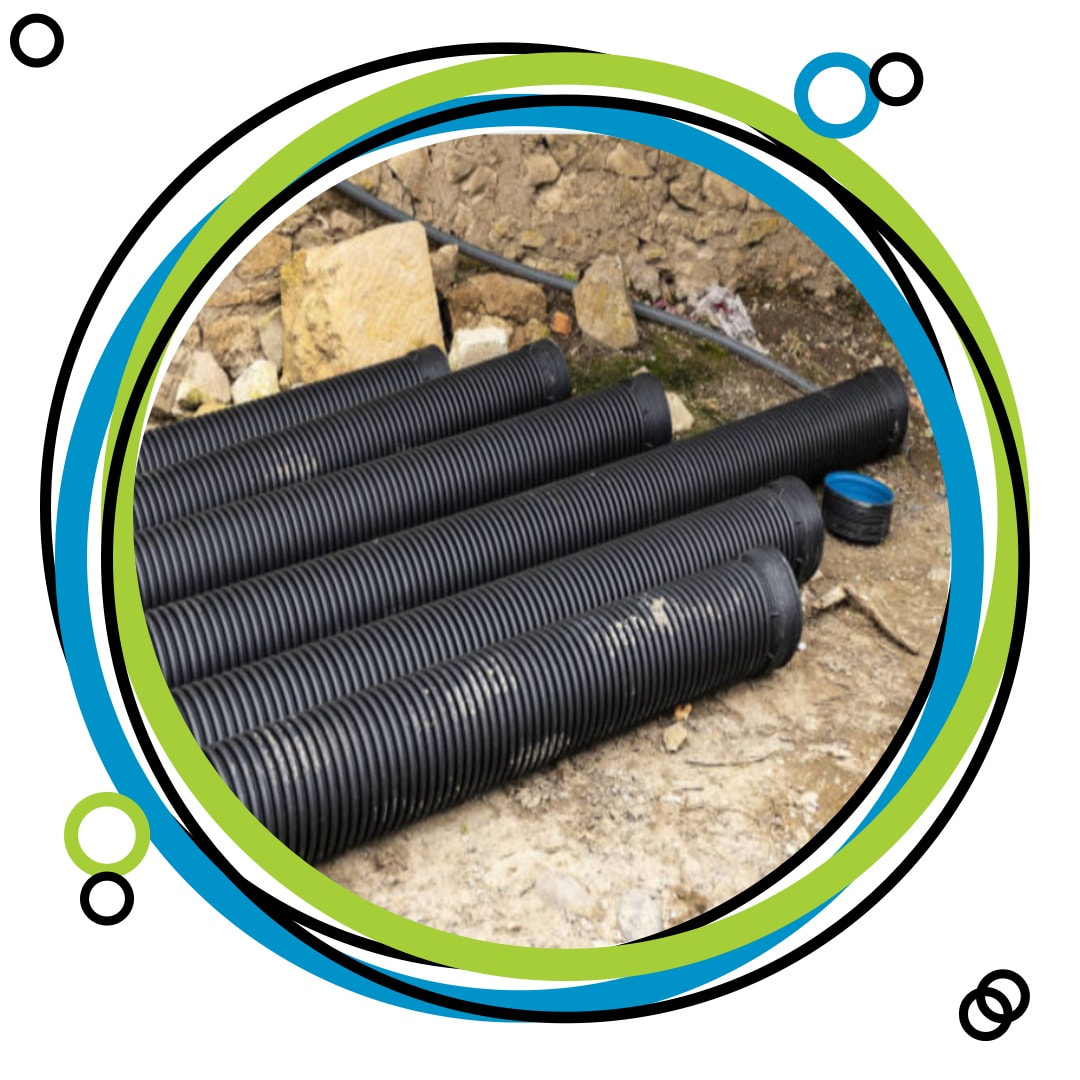
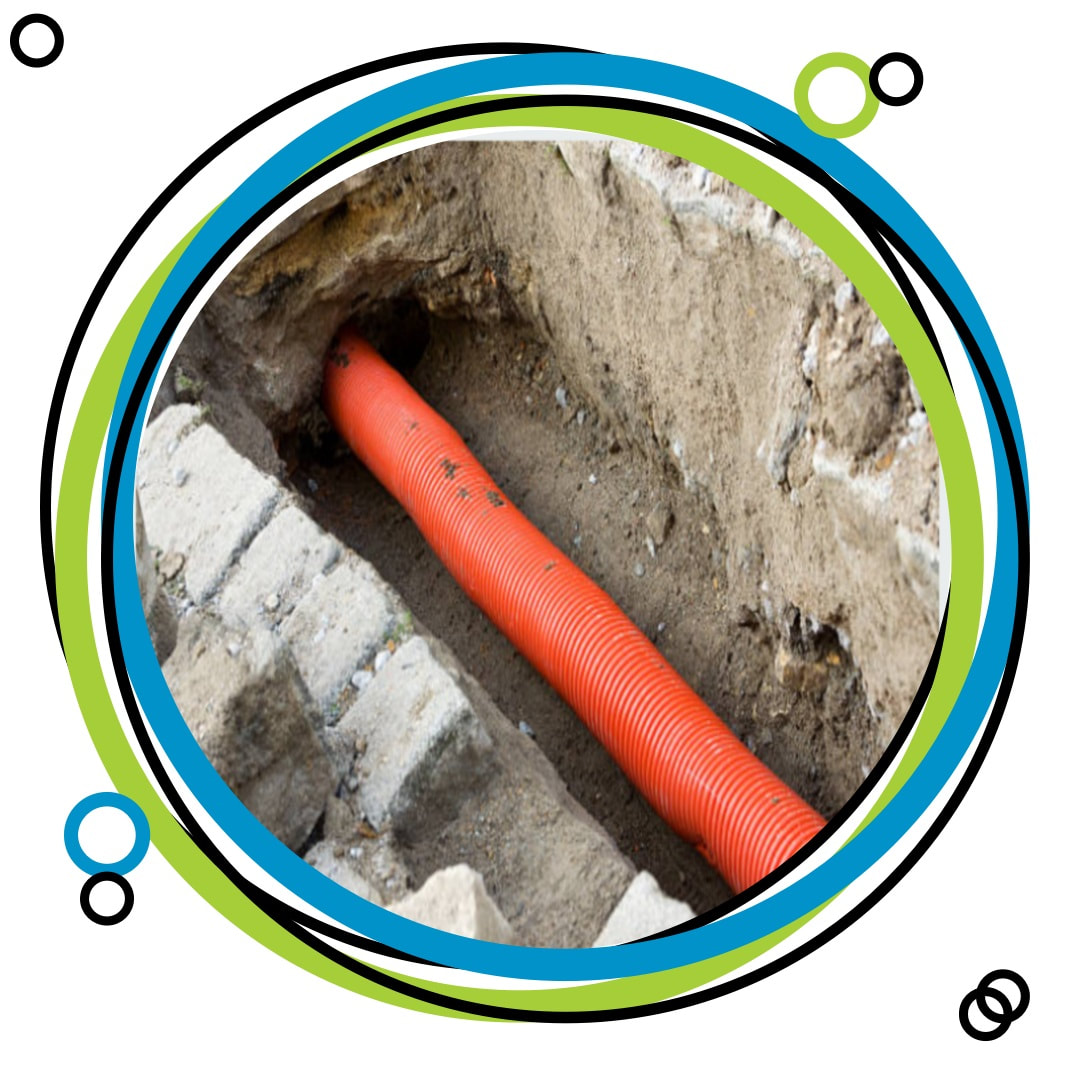
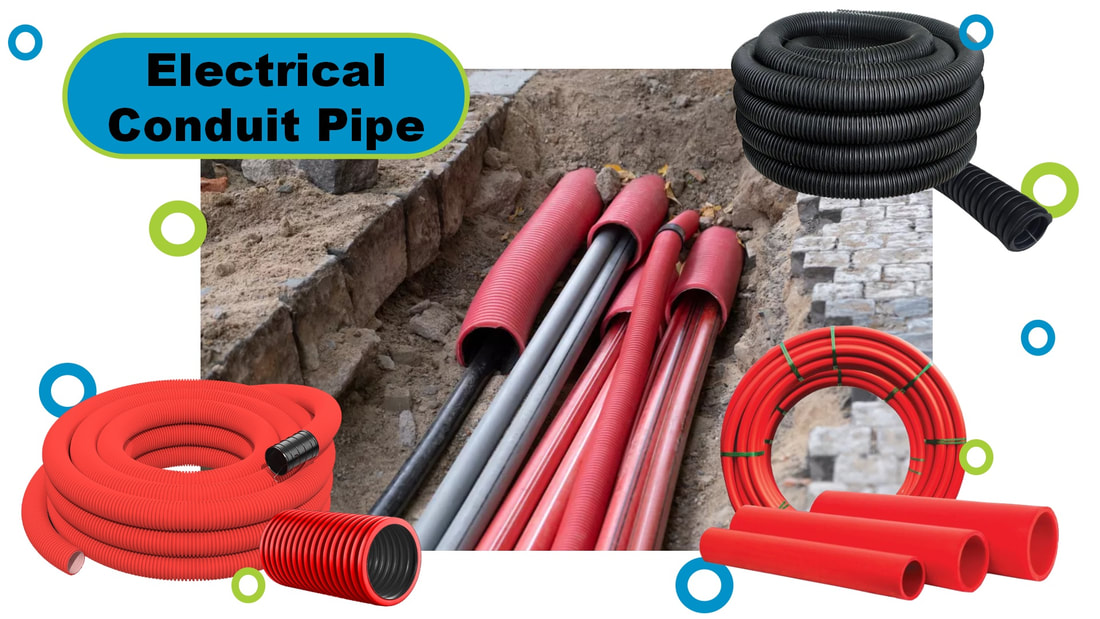
Flexible conduit pipes are usually made from HDPE or PVC material. HDPE and PVC electrical conduit pipes are handy items for electricians and other contractors to use for cable protection. Both HDPE and uPVC conduits are pliable. HDPE and PVC conduit pipes can be bent by hand for their corrugated design shape. The flexible hose electrical has a thin corrugated wall that is moisture-resistant and flame retardant. The wire pipe has a smooth inner surface to ensure easy installation of cables.

Electrical Pipe Protection

  • Plastic conduit pipes are generally used to protect wires and cables in houses or commercial buildings.
  • The wiring piping acts as a wire casing which helps to reduce the risks of electrical hazards, such as electrocution.
  • It has excellent mechanical protection and insulation properties, making it ideal for protecting flexible electrical tubing wiring during the installation work.
  • Cable pipe can sustain external forces impact and prevent damaging the inside wire.
  • Besides, it can effectively prevent the wires from aging too fast and protect the wiring from being exposed to the sun for a long time outdoors or humid underground environment.

Underground Conduit Pipe

  • Plastic conduit pipe with rigid material is designed to withstand underground soil loads force and insulation for wiring protection.
  • It has chemical resistance, high compression strength, and flame retardance properties which offer protection in harsh environments usage.
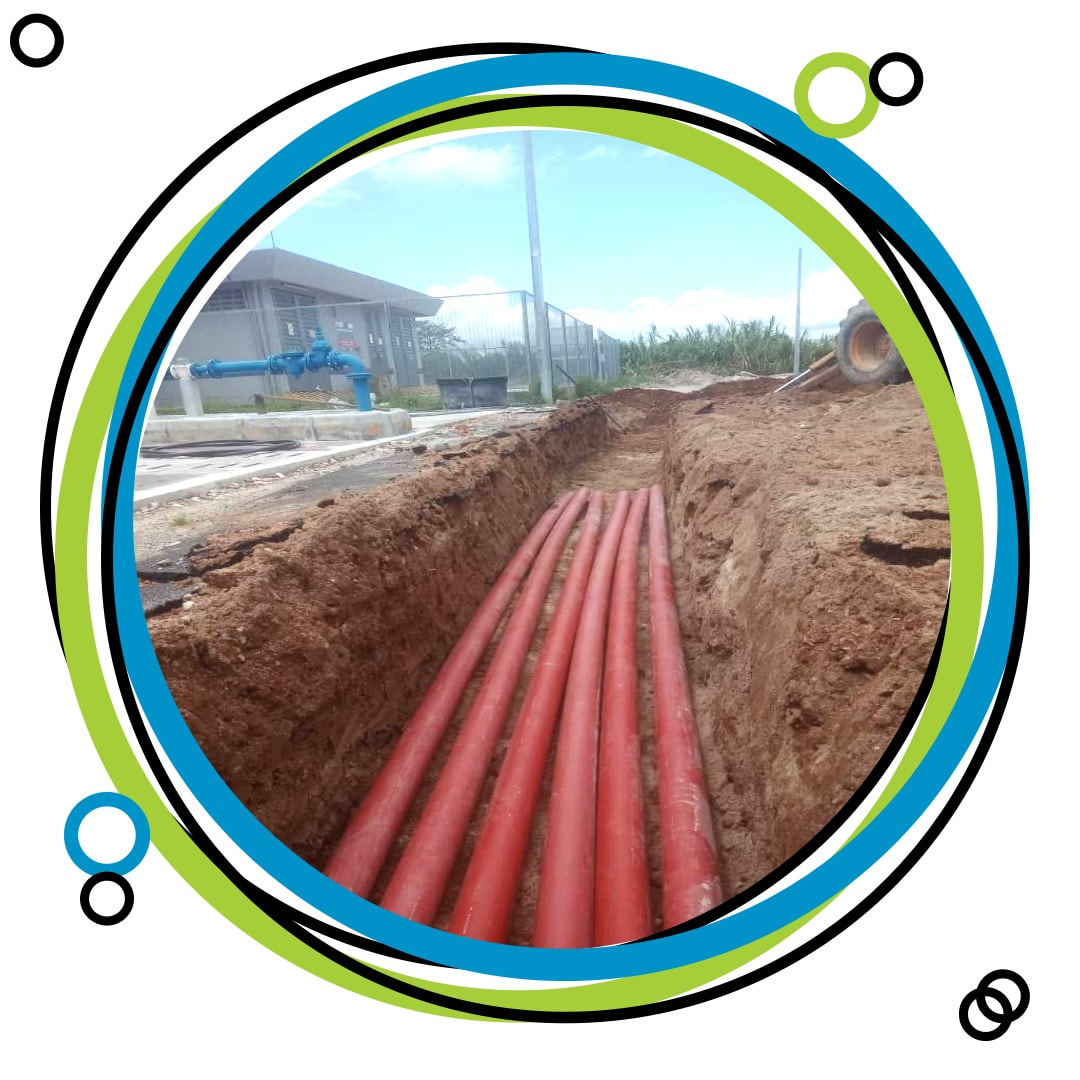
  • The flexible conduit pipes are used in underground new TNB meter wiring work and telephone wiring work installations.
  • Besides that, electrical conduit pipes are designed for underground high-voltage cable lines.

Wiring Management Application

The conduit for electrical wire can be a cable management purpose for TNB engineering project. The TNB electric contractor can easily distinguish the wiring collection by using different diameters of electrical conduit pipe.

Connecting Point Application:-

  • Different connections and installations route at each substation.
  • Cable transition from each conduit point in buildings, tunnels, and basements.
  • Transition of overhead lines to underground cable networks.
  • Cable connections between stories.